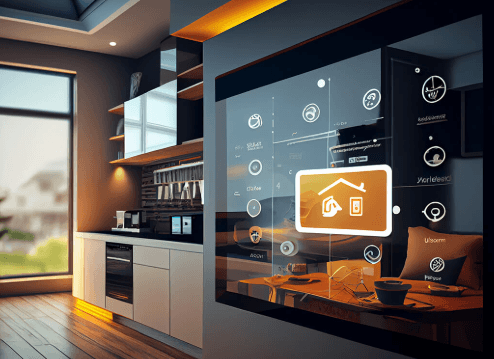
Intelligent home systems coordinate sensors, devices, and software to automate daily tasks and optimize energy use. They blend voice assistants with ecosystems to create responsive environments governed by rules and dashboards. Benefits include streamlined routines and adaptive lighting, while trade-offs involve cost and interoperability concerns. Platform choice and modular design determine reliability. A disciplined rollout and ongoing maintenance are essential, leaving questions about privacy, security, and future scalability unresolved for those considering adoption.
What Are Intelligent Home Systems and How They Work
Intelligent home systems are integrated networks that automate and optimize household tasks through sensors, devices, and software. They orchestrate data flows among smart devices, enabling responsive environments governed by automation rules. Core elements include voice assistants and smart ecosystems that coordinate devices while preserving energy efficiency. Privacy concerns arise from data sharing, demanding robust security. System architectures balance autonomy with user control for freedom-driven setups.
Benefits, Trade-offs, and Real-Life Use Cases
Benefits of intelligent home systems lie in streamlined automation, energy efficiency, and personalized comfort, while trade-offs center on privacy, upfront cost, and interoperability. Real-life use cases highlight smart lighting scenes, energy dashboards tracking consumption, and voice assistants coordinating appliances. Privacy tradeoffs emerge with data sharing; feasible energy savings rely on sensors, automation latency, and user consent. Freedom-loving adopters value transparency, interoperability, and programmable routines.
How to Choose a Platform and Build a Smart Ecosystem
Choosing a platform and building a cohesive smart ecosystem requires evaluating device compatibility, data governance, and integration capabilities across components. The analysis emphasizes platform compatibility, privacy controls, and enduring interoperability. Ecosystem hints point to modularity, vendor neutrality, and scalable architectures. Automation strategies should balance responsiveness with resilience, enabling user-driven freedom while preserving security and privacy in a coherent, extensible framework.
Practical Steps to Implement and Maintain Your Setup
Practical steps to implement and maintain a smart setup begin with a clear rollout plan, followed by disciplined device provisioning and continuous monitoring. The approach emphasizes intelligent sensors, robust energy management, and intelligent lighting to optimize performance. Data privacy remains central, with strict access controls and transparent data flows. Regular audits, firmware updates, and interoperability testing sustain reliability and user freedom through informed, proactive maintenance.
See also: Intelligent Marketing Tools Explained
Frequently Asked Questions
What About Data Privacy and Security in Smart Homes?
Data privacy hinges on robust data collection governance and strict device authentication, ensuring minimal data exposure. The analysis notes layered security, transparent policies, and user control, promoting freedom while reducing risks of breaches, misuse, and unconsented profiling in smart environments.
Can I Mix Devices From Different Brands Safely?
A 46% rise in cross-brand device adoption signals demand for interoperability. Yes, one can mix devices safely, but interoperability challenges persist, requiring careful standardization and vendor support to ensure robust cross brand compatibility.
How Do I Handle Energy Consumption Reporting and Billing?
The answer: It analyzes energy billing implications, stressing accurate data sampling cadence to align consumption records with metering cycles; they endorse transparent reporting, flexible billing options, and user-controlled data privacy while minimizing reduntant sampling and latency.
Do Smart Systems Require Ongoing Subscription Fees?
Smart systems often involve ongoing subscription costs for enhanced features, updates, and cloud services; however, some offer perpetual licenses. Consider subscription cost tradeoffs, warranty coverage, and data sharing concerns before committing, prioritizing freedom and transparent terms. None.
What Is the Typical Lifespan of Smart Home Hardware?
Aging like a weathered bridge, typical smart home hardware lasts several years with stable uptime. Hardware durability varies; replacement cycles depend on components. Warranty coverage mitigates risk, but failure rates rise as devices age and updates decline.
Conclusion
Intelligent home systems fuse sensors, devices, and rules into a cohesive, responsive environment. They offer tangible gains in comfort, energy efficiency, and convenience, yet require careful platform choice and ongoing maintenance to avoid fragmentation. The key is modular design, disciplined rollout, and transparent privacy controls. By treating automation as a living ecosystem—monitored, updated, and user-centered—households gain reliability and insight. Like a well-tuned instrument, the system rewards patience with steady harmony and measurable everyday efficiency.
