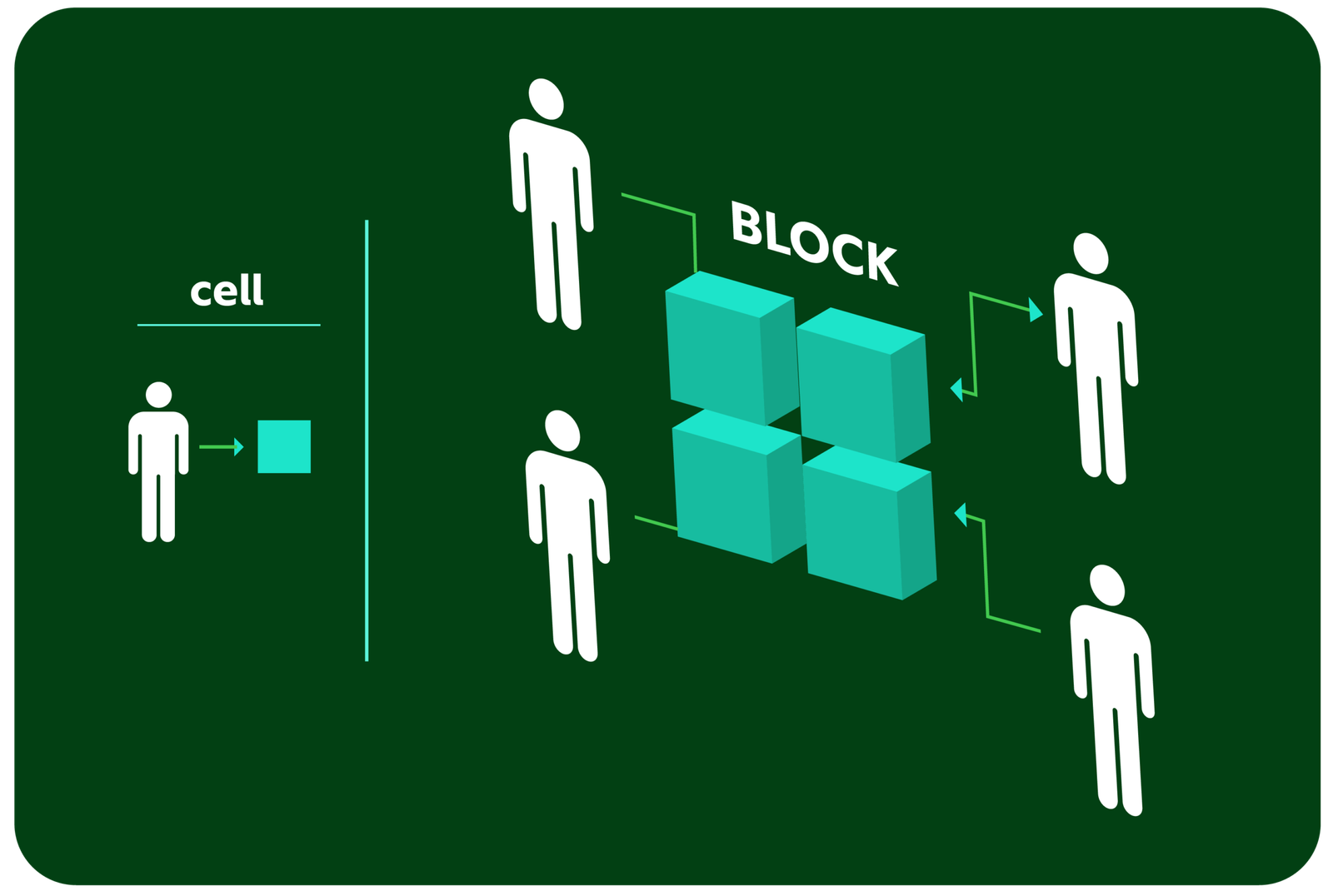
Blockchain operates by linking blocks of transactions with cryptographic references to prior blocks. Each block contains a hashed record of its transactions and a Merkle tree root. Nodes validate blocks under predefined rules, and successful blocks are appended to the chain. Consensus mechanisms ensure agreement without central authority, preserving integrity and preventing forks. The design yields auditable, decentralized governance with varying energy profiles. The discussion continues as these mechanisms translate to real-world use cases and implications.
How Blockchain Creates Trust Through Blocks and Proofs
Blockchain builds trust by linking data into a tamper-evident chain of blocks secured with cryptographic proofs. Each block contains a reference to the previous one, creating an immutable sequence. Block validation occurs through consensus, ensuring participants agree on the current state. This mechanism sustains chain integrity, enabling transparent auditing, fault tolerance, and decentralized control without central authority.
How Transactions Are Packed, Verified, and Recorded
Transactions are gathered into blocks, then validated by network participants using predefined consensus rules. Transactions are hashed into a Merkle tree, recorded in a block header, and appended to the chain upon successful verification.
trust models guide governance, while cryptographic puzzles secure ordering and integrity. Validators follow deterministic procedures, ensuring traceability, immutability, and auditable history without centralized control.
How Consensus Keeps the Network Honest
To ensure the integrity of the ledger, consensus mechanisms coordinate how blocks become authoritative records. In distributed networks, agreement protocols validate transactions, prevent forks, and ensure eventual consistency. Cryptographic hashing anchors block integrity, linking states immutably.
Different models—proof-of-work, proof-of-stake, and others—balance security, energy use, and speed, maintaining trust without centralized control while enabling scalable, verifiable governance.
How Blockchain Impacts Real-World Use Cases and Implications
Across diverse sectors, blockchain enables transparent, tamper-evident record-keeping, verifiable provenance, and decentralized governance mechanisms that reduce intermediaries and delays.
Real-world implications include immutable audit trails, digital asset management, and cross-border settlement improvements, alongside privacy implications and nuanced regulatory considerations.
Energy consumption concerns persist for proof-of-work systems, while alternatives like proof-of-stake offer efficiency gains without compromising security or data integrity.
Frequently Asked Questions
What Is Blockchain Data Structure in Simple Terms?
A blockchain data structure is a linked series of blocks storing ordered records. It emphasizes immutability, traceability, and decentralization, with latency influenced by network conditions. Consensus algorithms govern agreement, shaping blockchain latency and security across participants.
How Do Private Keys Relate to Wallets and Security?
Private keys enable wallets to sign transactions, securing ownership; loss equals irretrievable access. They’re the gatekeepers, not stored on servers, but by users. This underpins privacy awareness and regulatory compliance, though ironic resilience invites deliberate security discipline.
Can Blockchain Transactions Be Reversed Once Confirmed?
Reversing transactions is not possible once confirmed; the network stabilizes via distributed consensus. Changes require forked governance, not retroactive edits. Thus, reversing transactions relies on network governance decisions and probability, not centralized intervention or simple reversal.
What Prevents a Single Actor From Controlling the Network?
Shadows coalesce into trust as governance mechanisms, not a single fist: blockchain governance mitigates centralized takeover risks by decentralization, consensus, and open participation; a lone actor cannot unilaterally dictate terms, since protocol rules, audits, and incentives constrain power.
How Scalable Are Blockchain Networks for Everyday Use?
The scalability of blockchain networks for everyday use is constrained by scalability challenges and limited network throughput; practical solutions must balance throughput, latency, and decentralization to sustain broader adoption while preserving security and autonomy.
See also: Intelligent Marketing Tools Explained
Conclusion
Blockchain builds trust by chaining tamper-evident blocks, each containing a hashed, verifiable record of transactions and a reference to the previous block. Transactions are packed into blocks, cryptographically hashed, and stored in a Merkle tree for efficient validation. Consensus protocols ensure network honesty by requiring agreement before finalization, deterring forks and fraud. Real-world impacts span finance, supply chains, and governance, with energy profiles tied to the chosen model. In short: trust, once earned, compounds—a penny saved is a penny hardened.
